Wildlife Conservancy
Where Africa’s Smart City Meets Wild Africa
Discover a 1,000-acre protected savannah where biodiversity, conservation and sustainable development come together at Konza Technopolis.
1,000
Acres Protected
60 km
From Nairobi
2026–2036
Management Plan
ABOUT THE CONSERVANCY
A New Model for Conservation in East Africa
The Konza Technopolis Wildlife Conservancy (KTWC) sits along the southern boundary of Konza Technopolis Kenya’s flagship smart city spanning a landscape that borders Machakos, Makueni and Kajiado counties. This semi-arid savannah is not just a green buffer. It is a living ecosystem embedded within an urban masterplan, protected under the Wildlife Conservation and Management Act and governed by a 10-year Management Plan developed with Kenya Wildlife Service and a broad coalition of stakeholders.
A thriving, innovative and sustainable ecosystem in coexistence with smart city development.
WHAT MAKES IT POSSIBLE
A Smart Approach to Conservation
Smart Monitoring
Drones, remote sensors and GIS tools help monitor wildlife and habitat health.
Protective Infrastructure
Wildlife fencing, water systems and buffer zones help protect sensitive habitats.
Strategic Zoning
Planned land-use zones balance conservation, recreation and infrastructure.
Community-led Governance
Local communities and conservation partners help guide sustainable management.
ZONES WITHIN KTWC
A balanced landscape for people, wildlife and sustainable development.
Conservation Zone
Core wildlife habitat. Strict controls on access and activity.
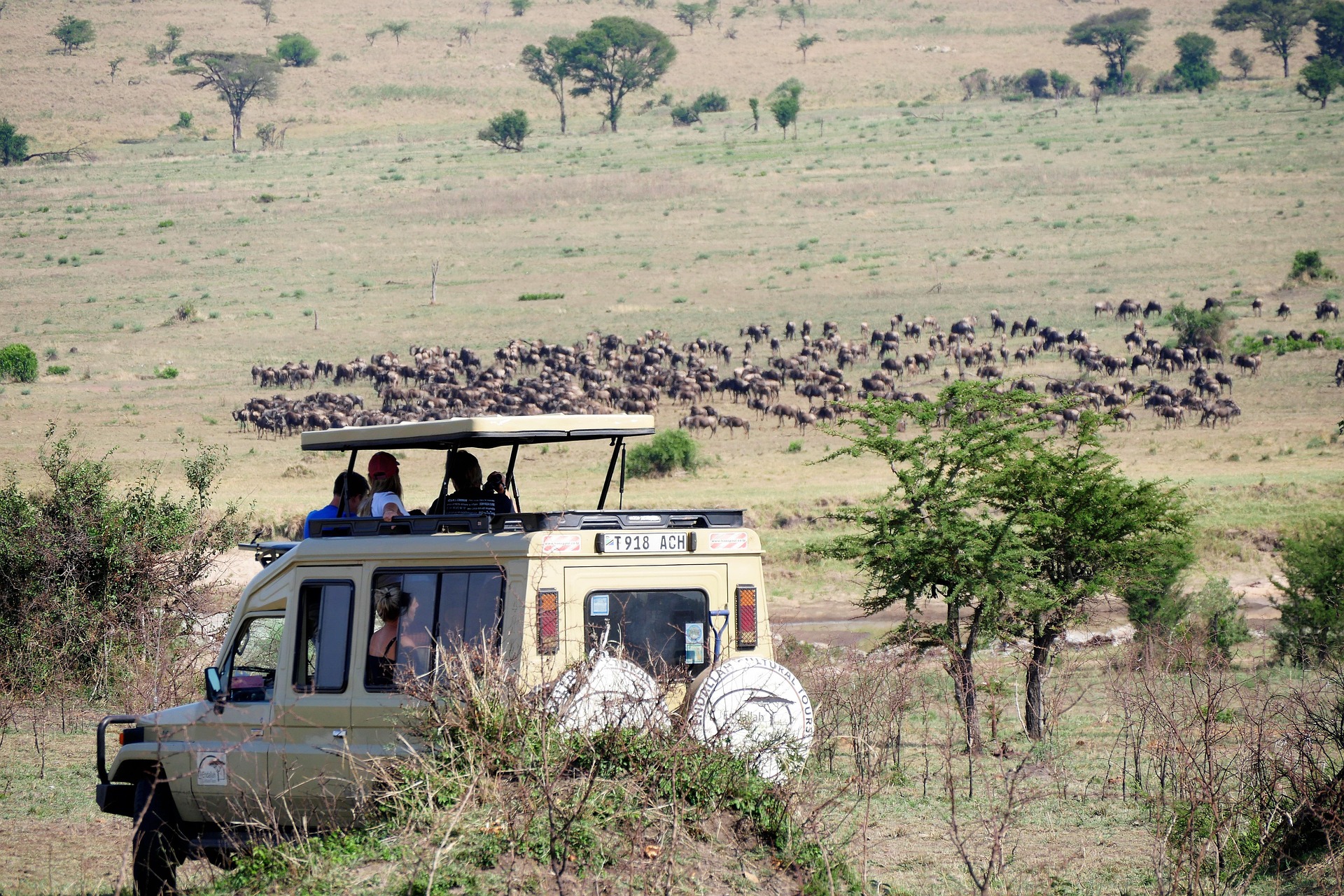
Tourism Development Zone
Low-impact facilities and experiences designed to bring visitors close to nature without disturbing it.
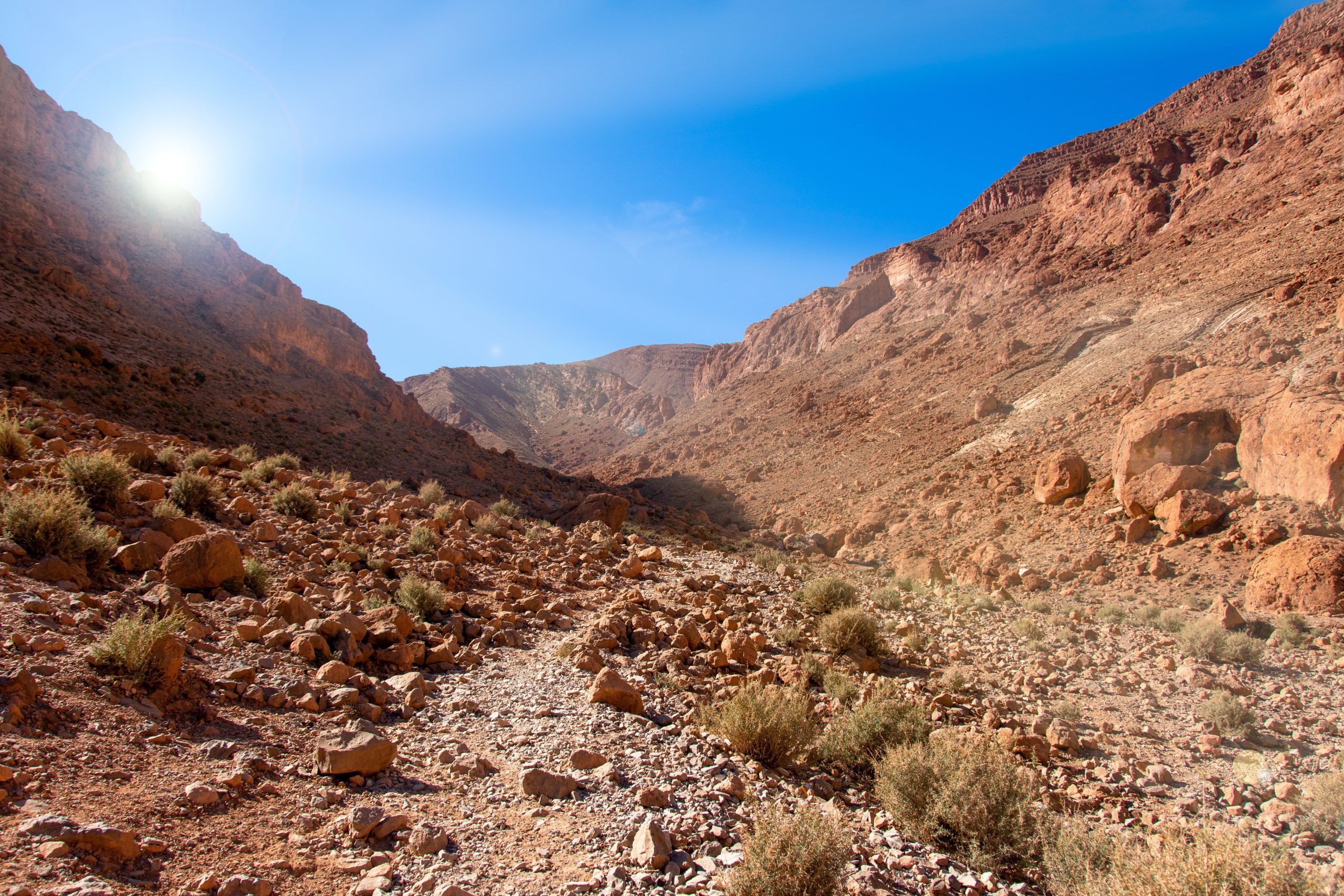
Recreational Zone
Nature-based activities for communities and visitors walking trails, birdwatching, environmental education.

Utility & Commercial Zones
Supporting infrastructure including solar farms and essential services, carefully sited to minimize ecological impact.
WILDLIFE & BIODIVERSITY
Threatened species. Thriving ecosystems. One conservancy.
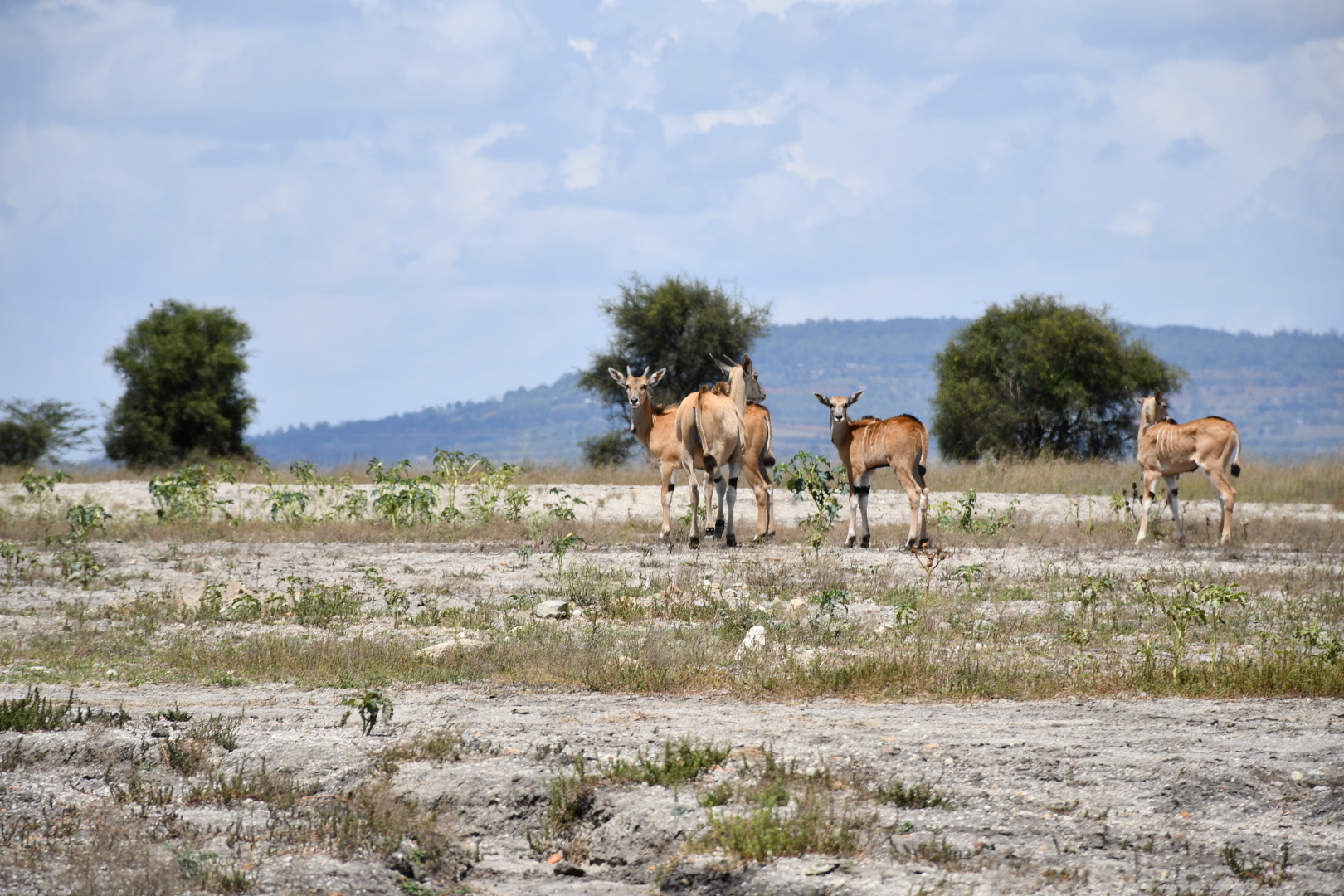
KTWC protects a remarkable array of flagship and endangered species within the Athi–Kapiti wildlife corridor one of Kenya’s most ecologically significant landscapes.
KEY SPECIES.
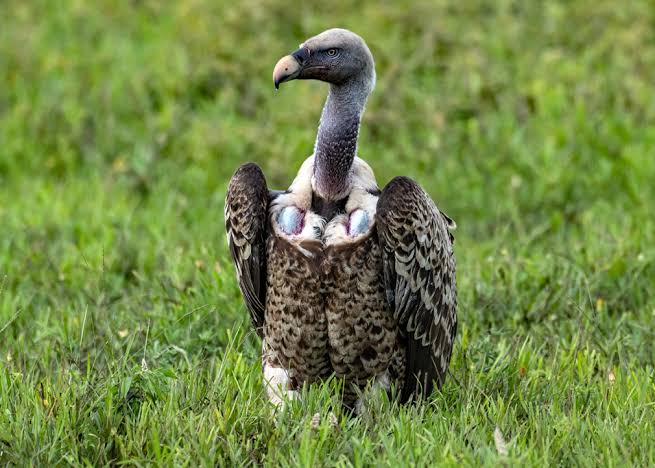
Rüppell’s Griffon Vulture
Critically Endangered
Gyps rueppelli
White-backed Vulture
Endangered
Gyps africanus
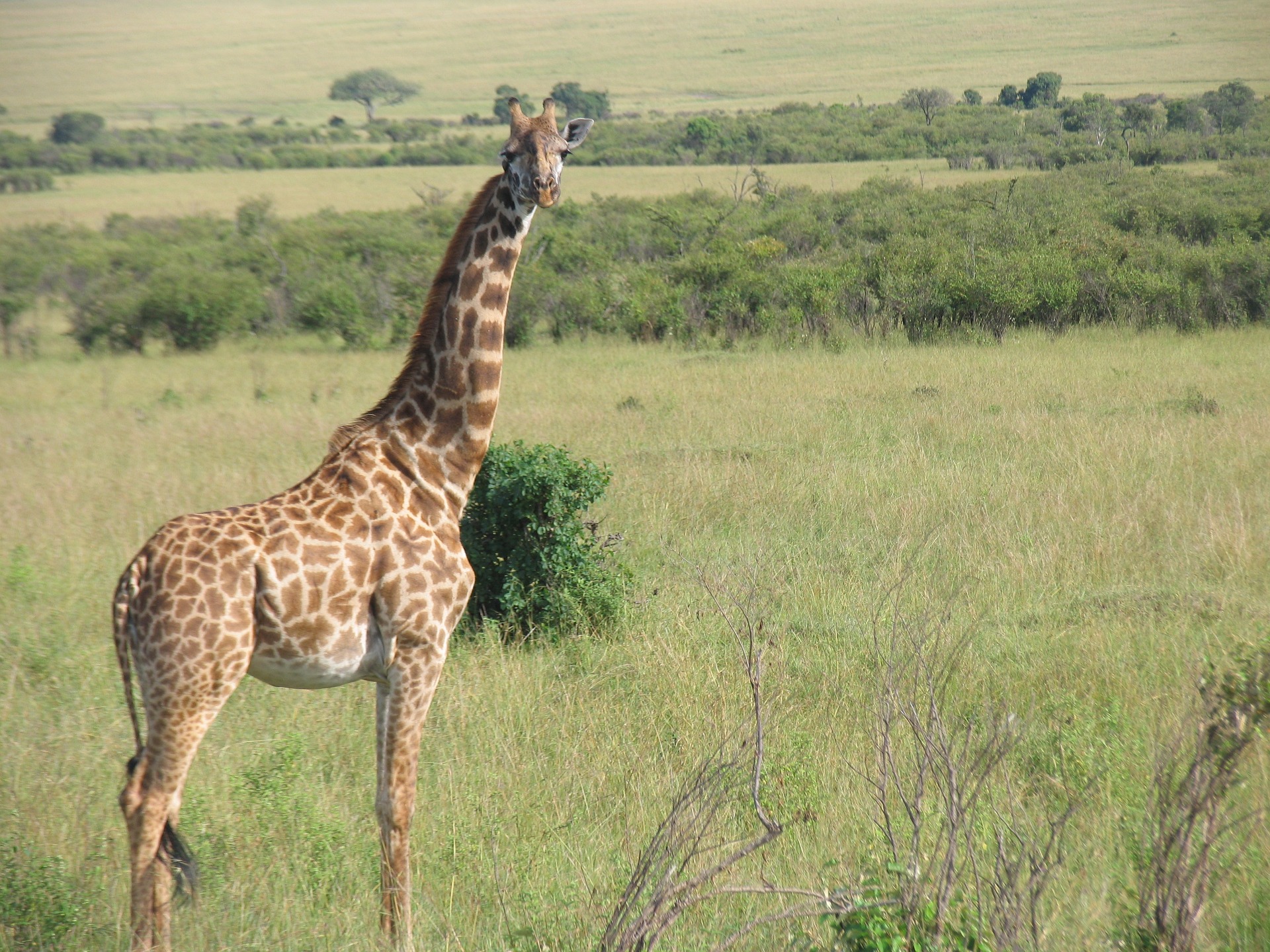
Maasai Giraffe
Flagship Species
Giraffa camelopardalis tippelskirchi
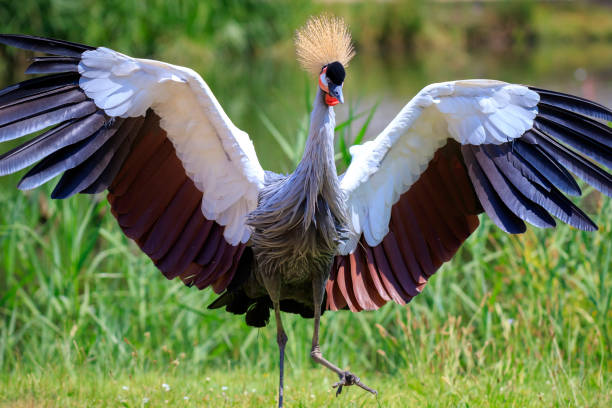
Grey Crowned Crane
Flagship Species
Balearica regulorum
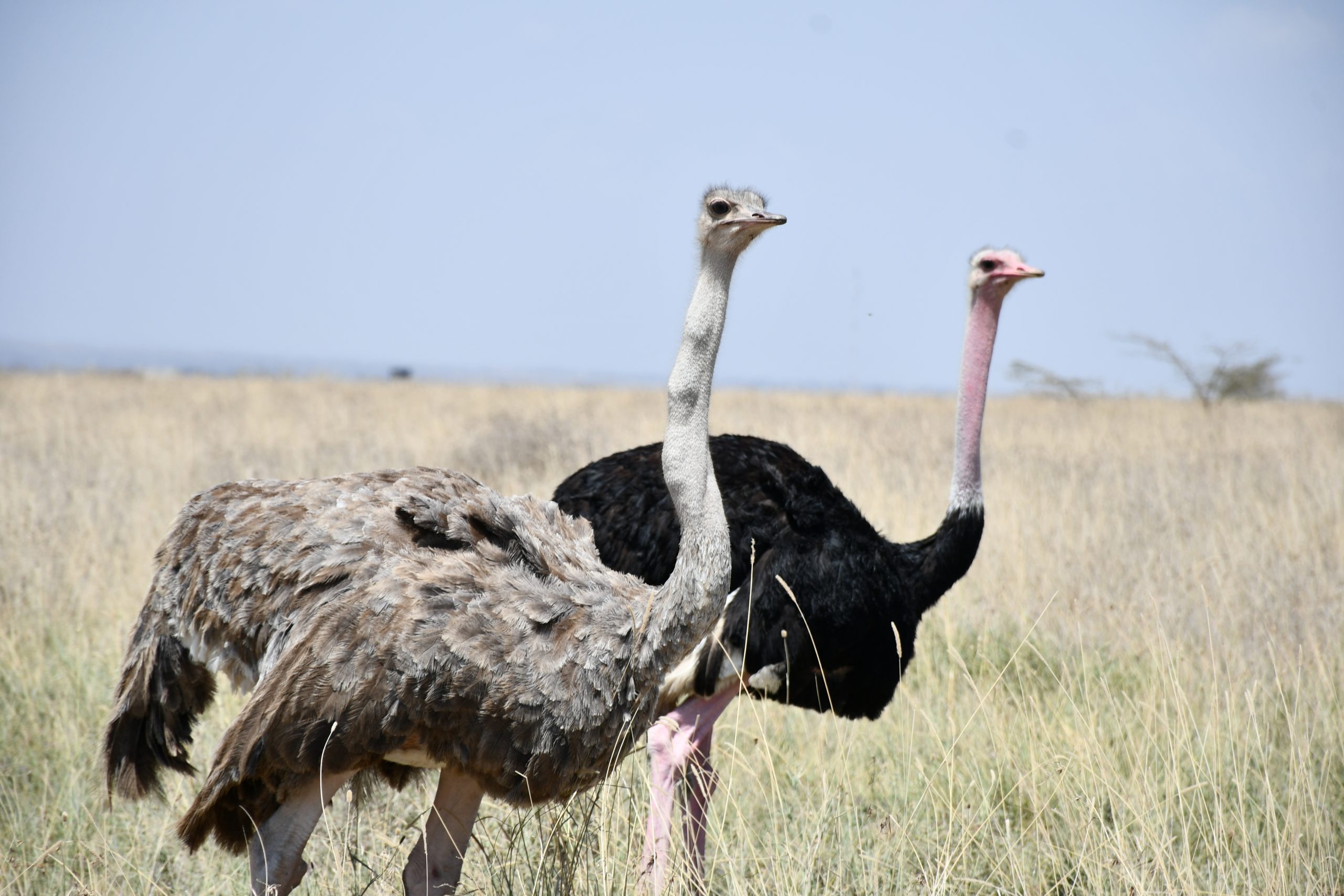
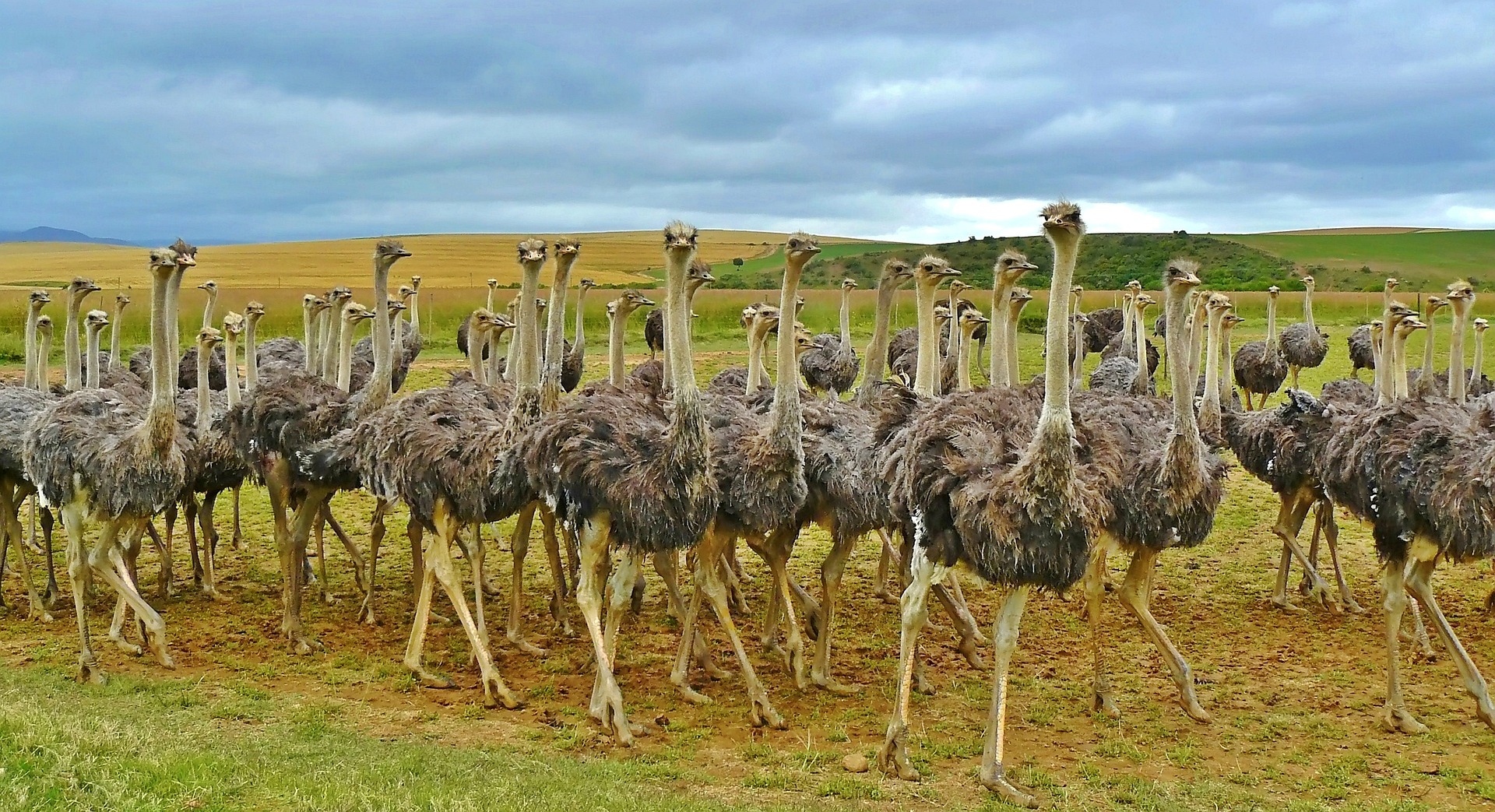
Maasai Ostrich
Flagship Species
Struthio camelus massaicus
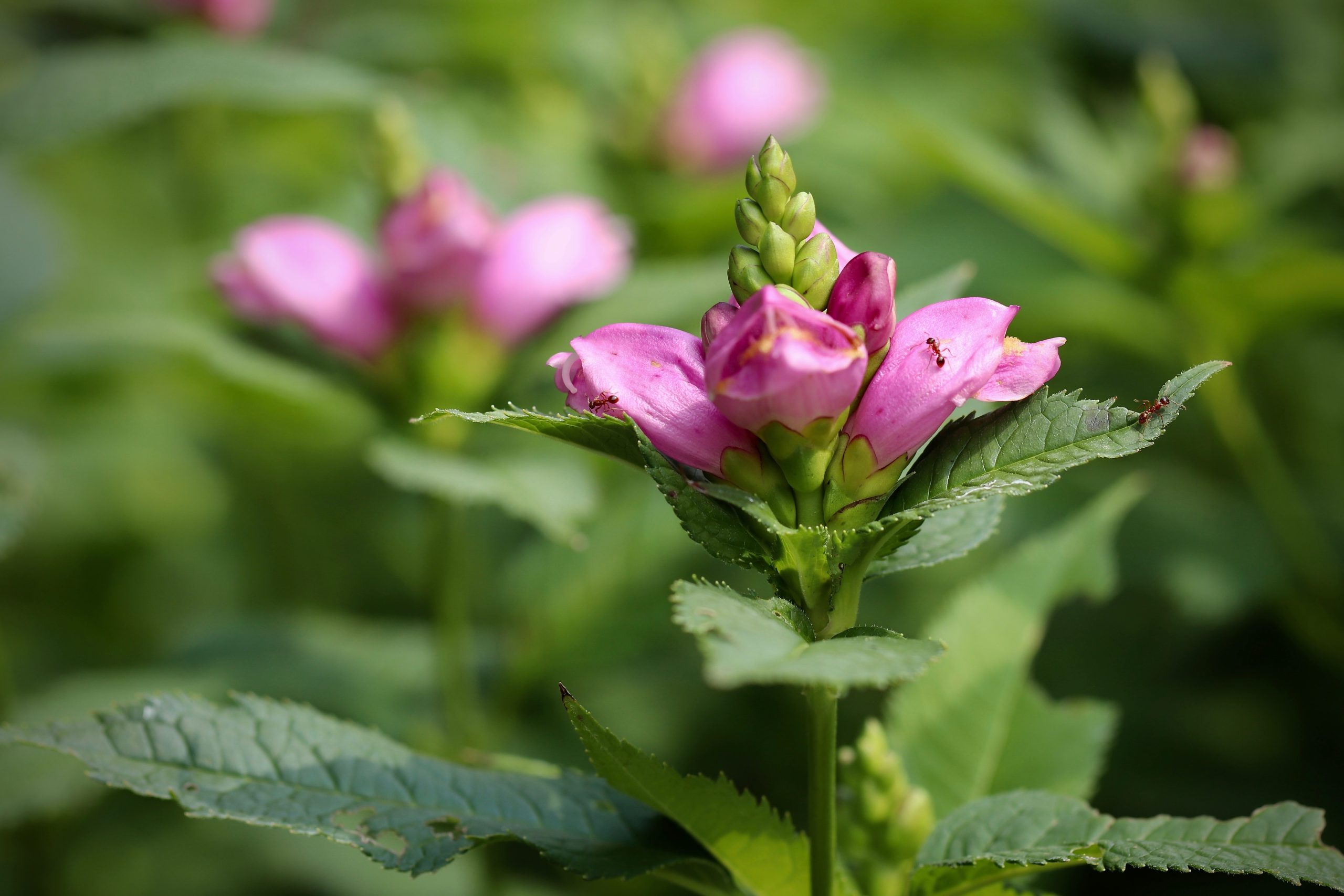
Snakeherb
Endemic
Dyschoriste keniensis
OUR NATURAL ENVIRONMENT
Habitats That Sustain Life
Native savanna grassland
A critically endangered ecosystem covering approximately 4,000 km² across the Athi–Kapiti landscape. It connects Nairobi National Park to Amboseli, Tsavo, and the Serengeti providing wet-season grazing, calving grounds, and carbon storage.
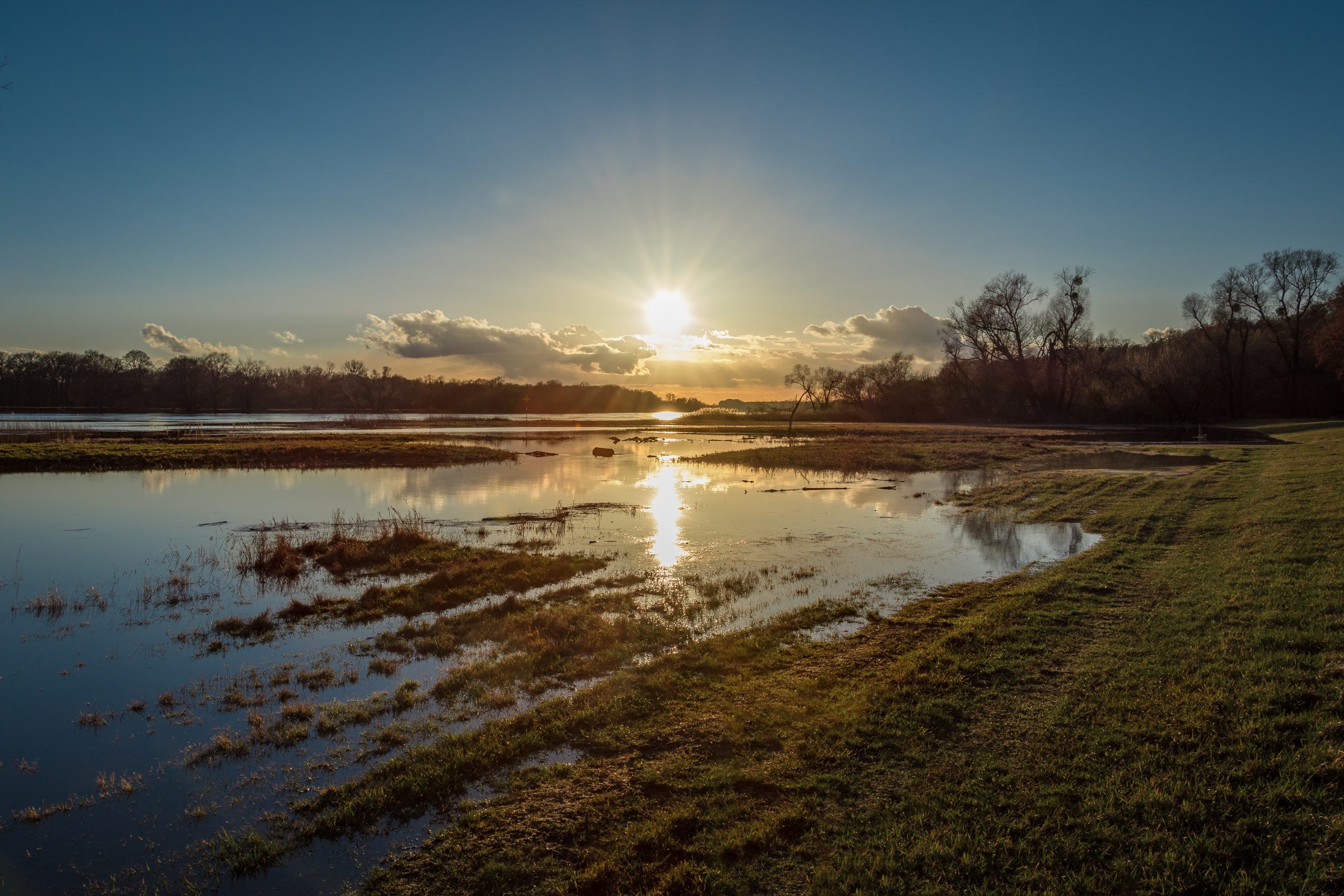
Floodplain wetland
A seasonal wetland system that recharges groundwater, filters pollutants, provides dry-season water for wildlife and pastoralists, and serves as critical breeding habitat..
“The Maasai giraffe shapes vegetation, disperses seeds, and holds together the food web making it both a conservation icon and an ecological engineer.”
Why It Matters
KTWC protects the Athi–Kapiti wildlife migratory corridor a movement highway for zebras, wildebeests, lions, cheetahs, and the endangered Maasai giraffe. Its existence ensures genetic connectivity and biodiversity, right on the doorstep of a growing smart city.
Eco-Tourism & Experiences, Community & Partnerships
A Smart Approach to Conservation
Eco-Tourism & Experiences.
Discover Kenya’s rich wildlife, scenic landscapes and cultural heritage through responsible, low-impact tourism experiences.
Investment Opportunities.
Explore opportunities in eco-tourism, renewable energy, habitat restoration and green infrastructure that support sustainable growth and climate resilience.
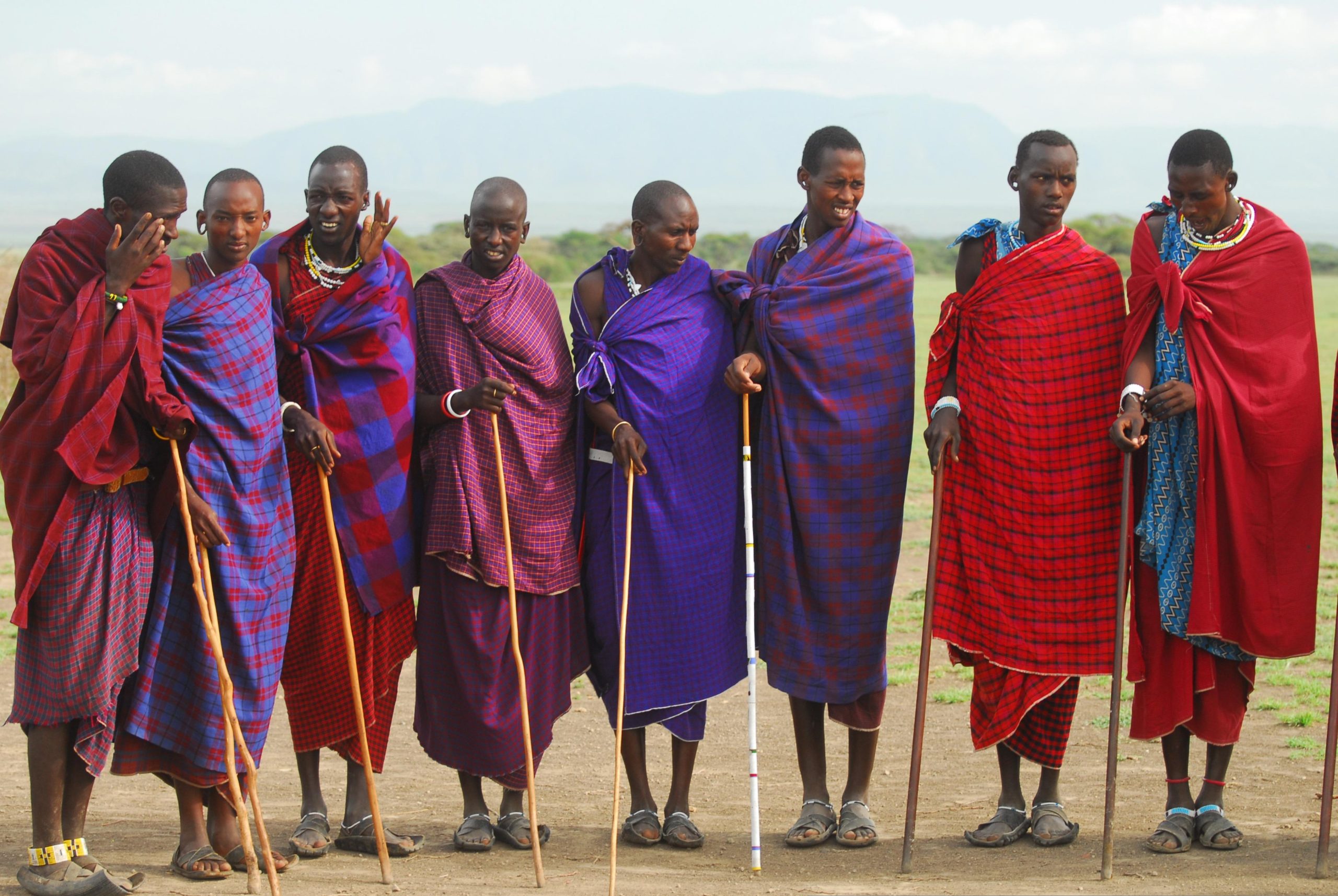
Community & Partnership.
Work with local communities , create livelihood and support conservation education for a more inclusive and sustainable future.
Our Institutional Partners
Kenya Wildlife Service

Wildlife Research & Training Institute
National Museums of Kenya